< Return to News
Ocean County Women in the American Revolution
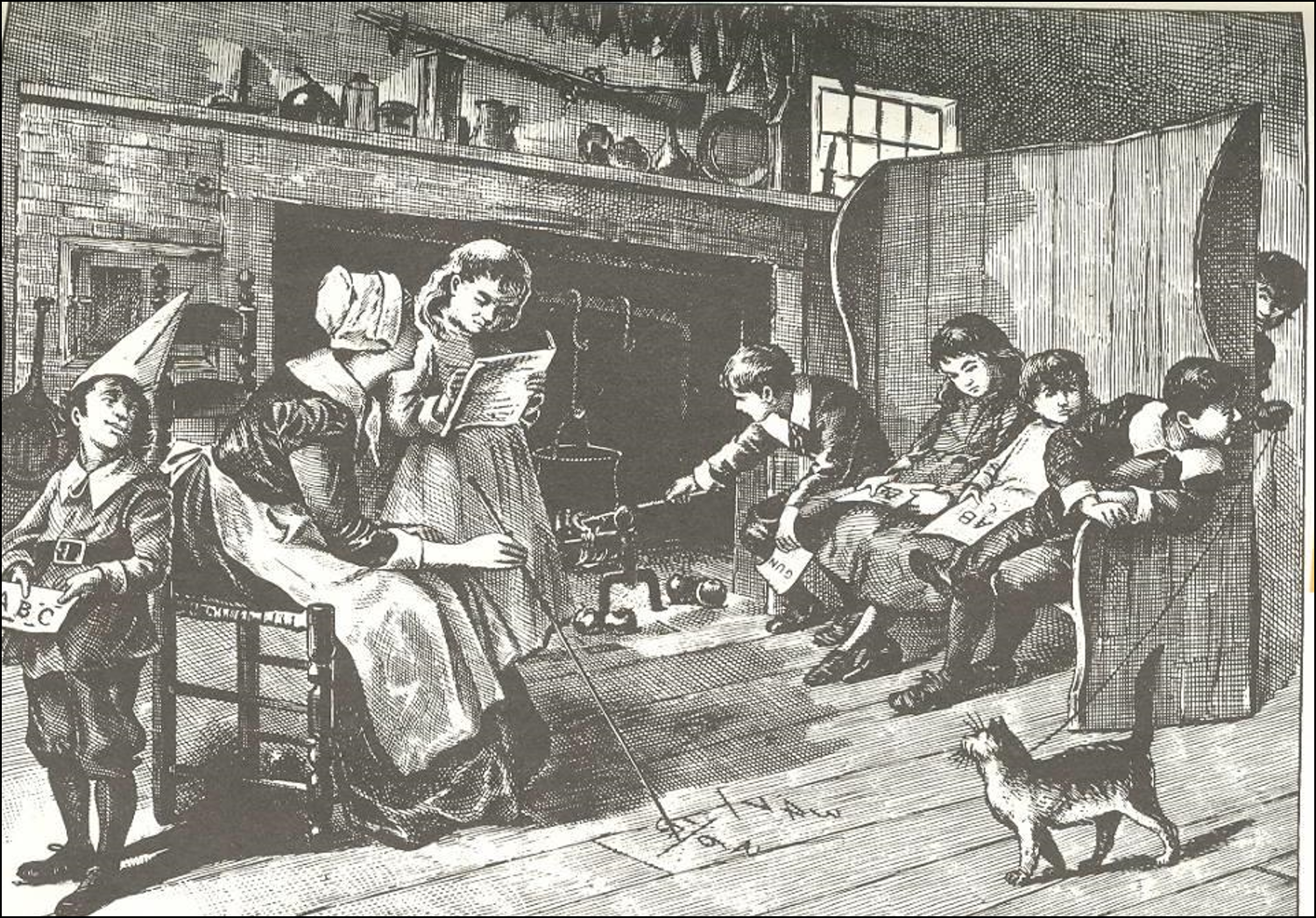
Historians have often had trouble adequately representing the various roles and personal histories of women during the time of the American Revolution.
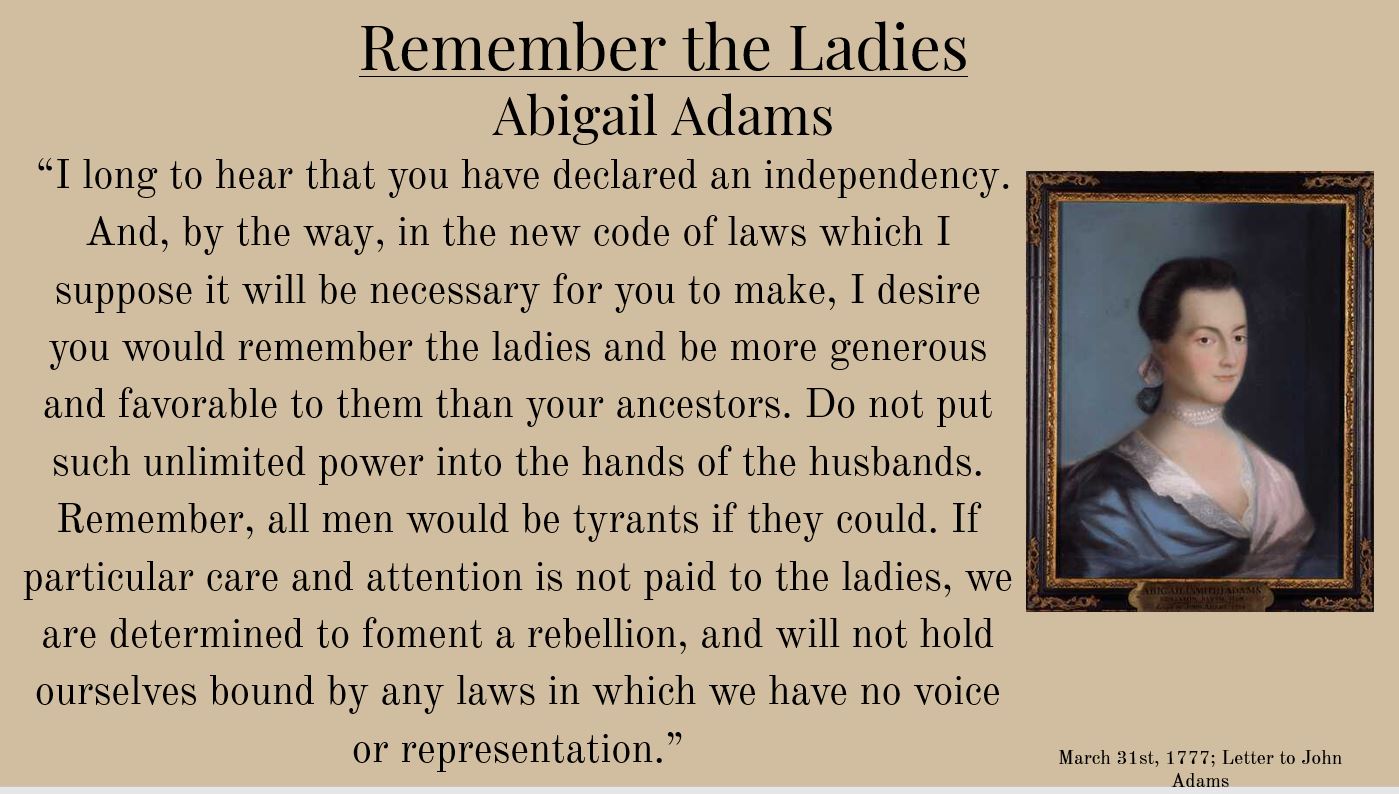
The American Mythology includes the stories of Betsy Ross, Molly Pitcher, Abigail Adams and Martha Washington among others. Some of these legends and tales are fabrications or embellishments of later times. For example, with little or no documentary support, the Betsy Ross story seems to have been created by her grandchildren at the time of the 1876 Centennial Exposition held in Philadelphia.
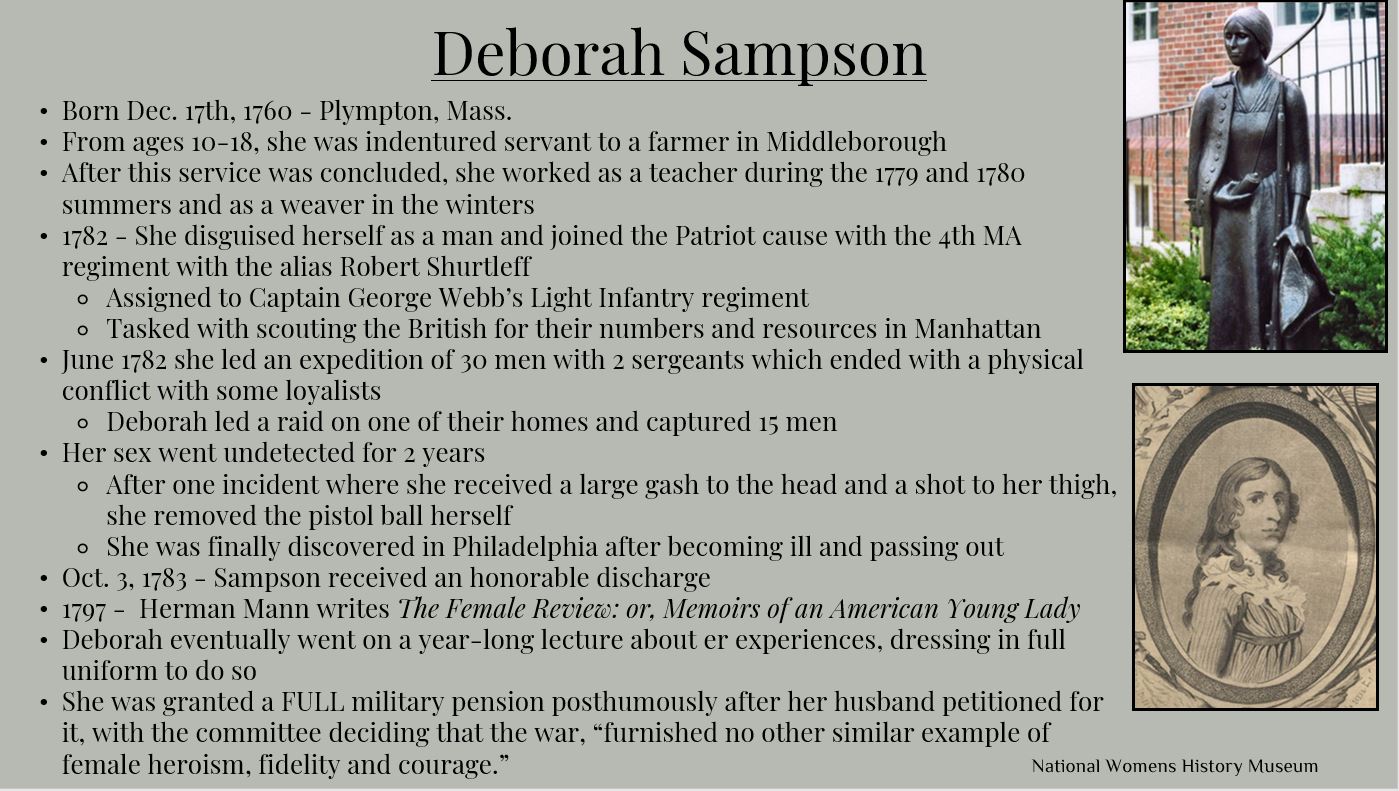
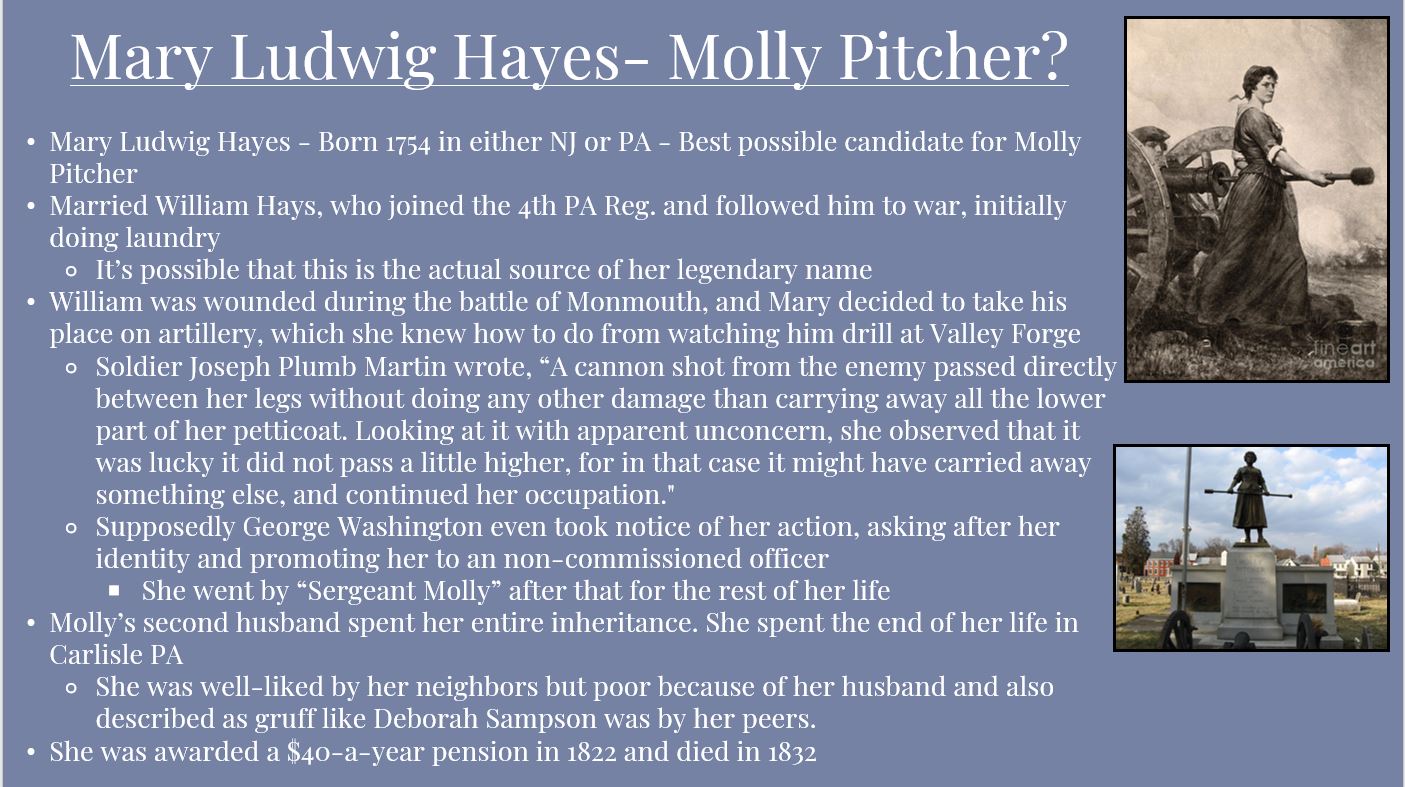
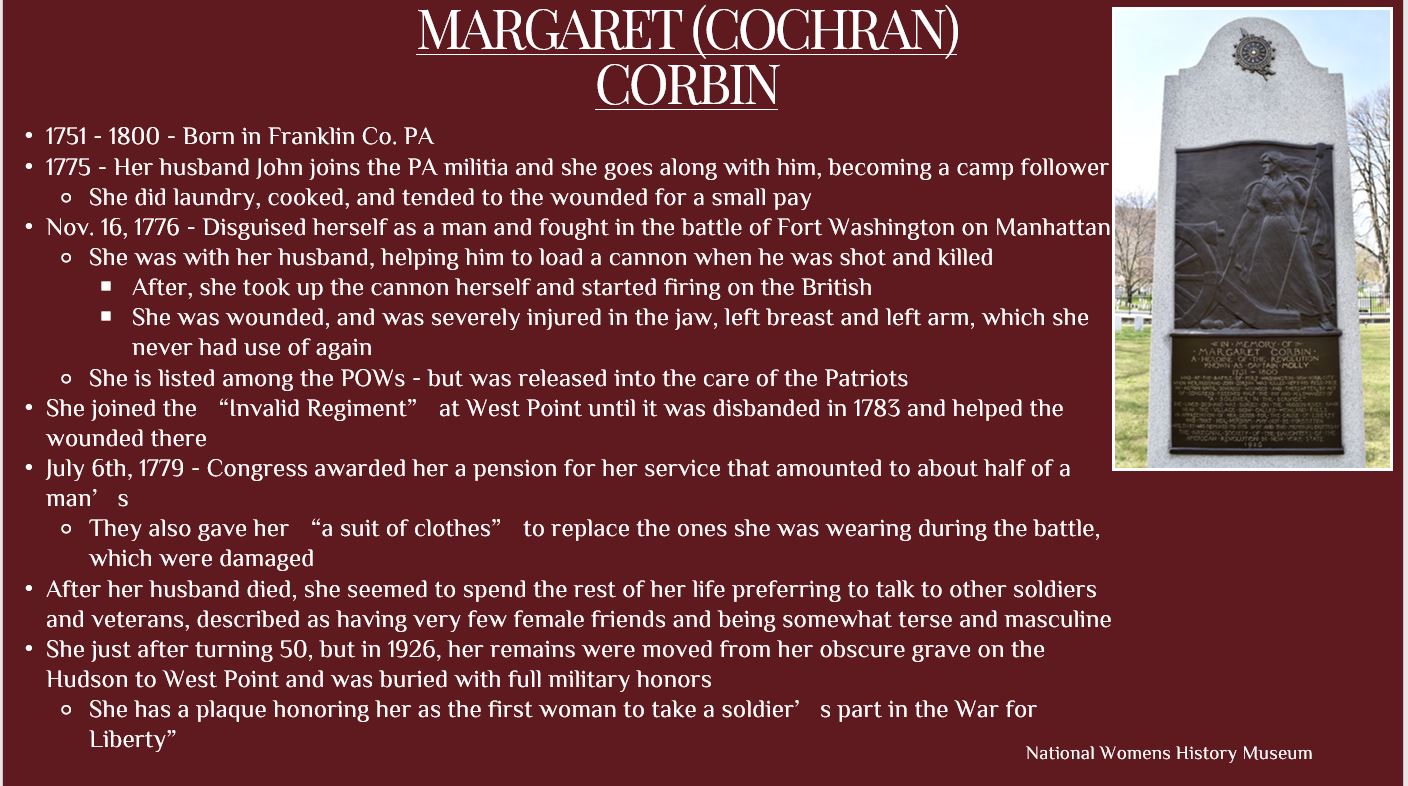
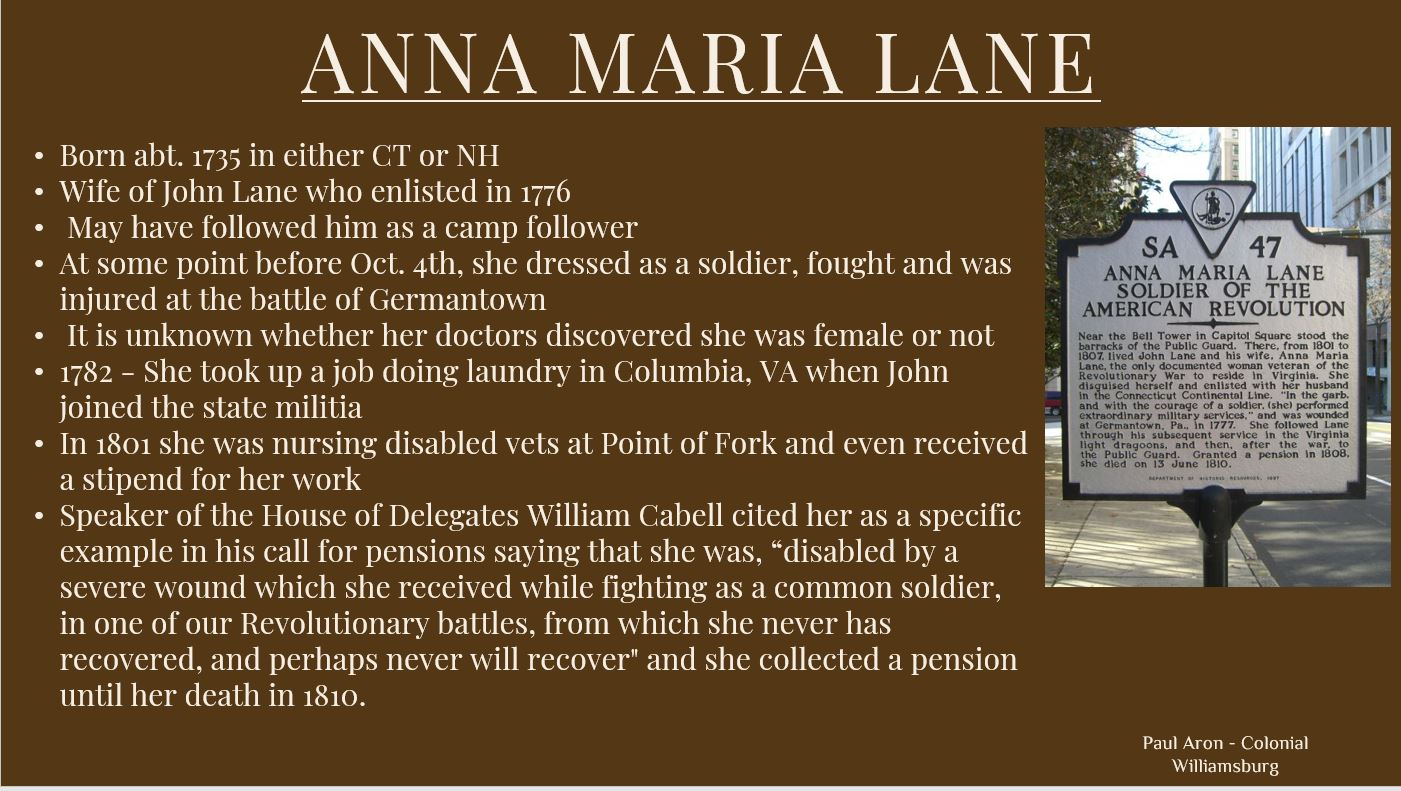
Historians now acknowledge that women took on greater leadership roles in family farms and business, acted as spies, influenced public debate and even assumed the role of male soldiers.
The gender based roles of rural America were more collaborative than more traditional tales might suggest. Some cultural historians point out that “childhood” is an invention of the 19th century Victorians and that children in the eighteenth century were viewed as simply younger adults. In some cultures even today such as the the Amish, young people dress exactly like their parents because they are expected to perform their share of the work on a farm or business.
Foodways in the eighteenth century were also different than today. The largest meal of the day was consumed at mid day and could be as much as 10,000 calories per adult. The morning and evening meals were lighter and consisted of liquid broth or gruel.
Strong, independent women of the time have sometimes been represented in a demeaning or disrespectful way as having low moral character.
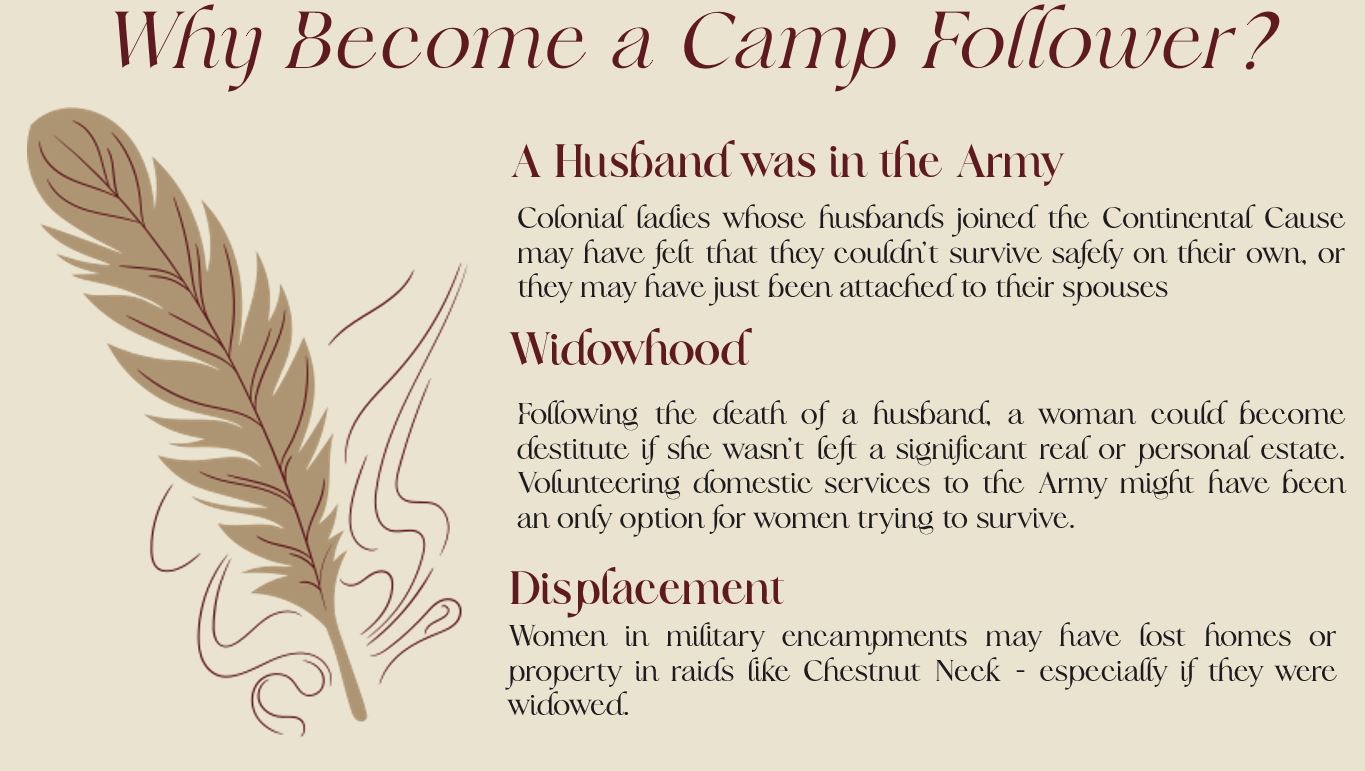
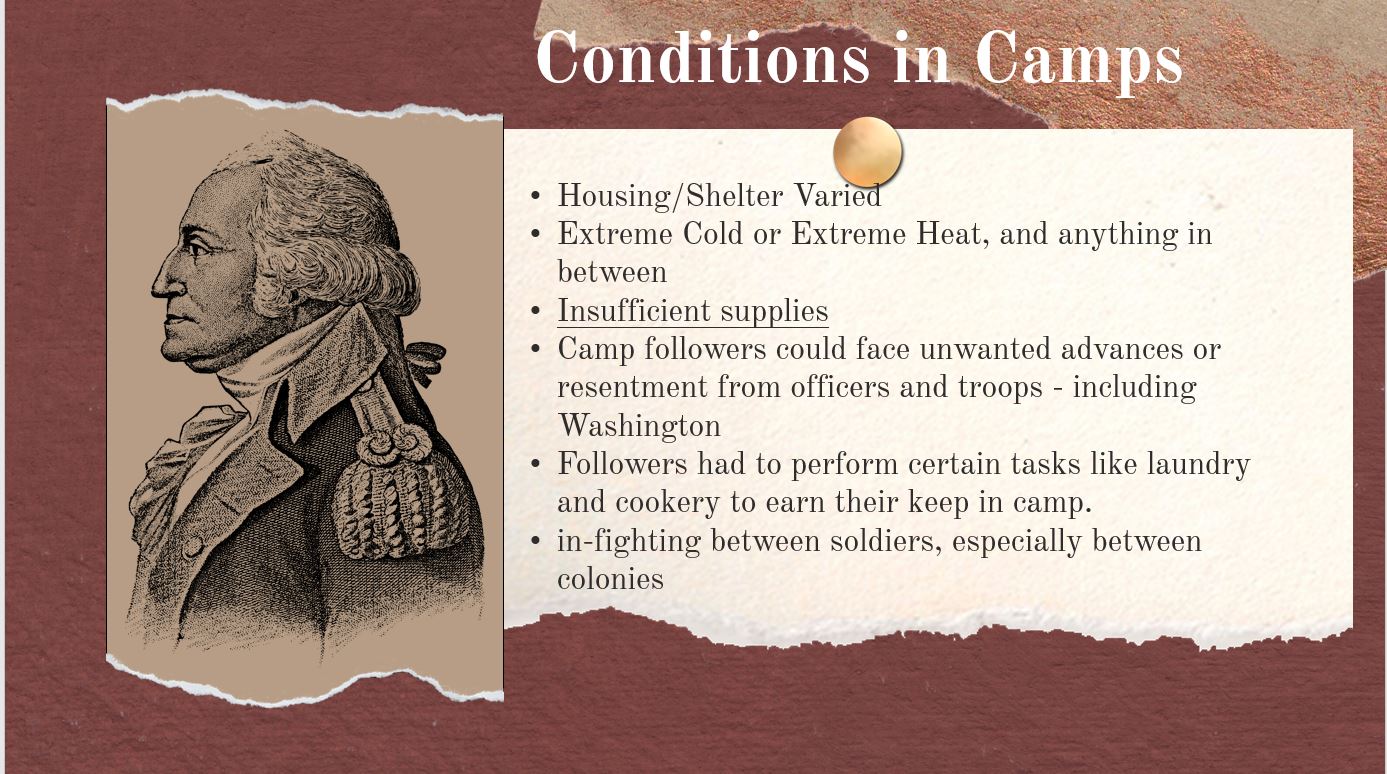
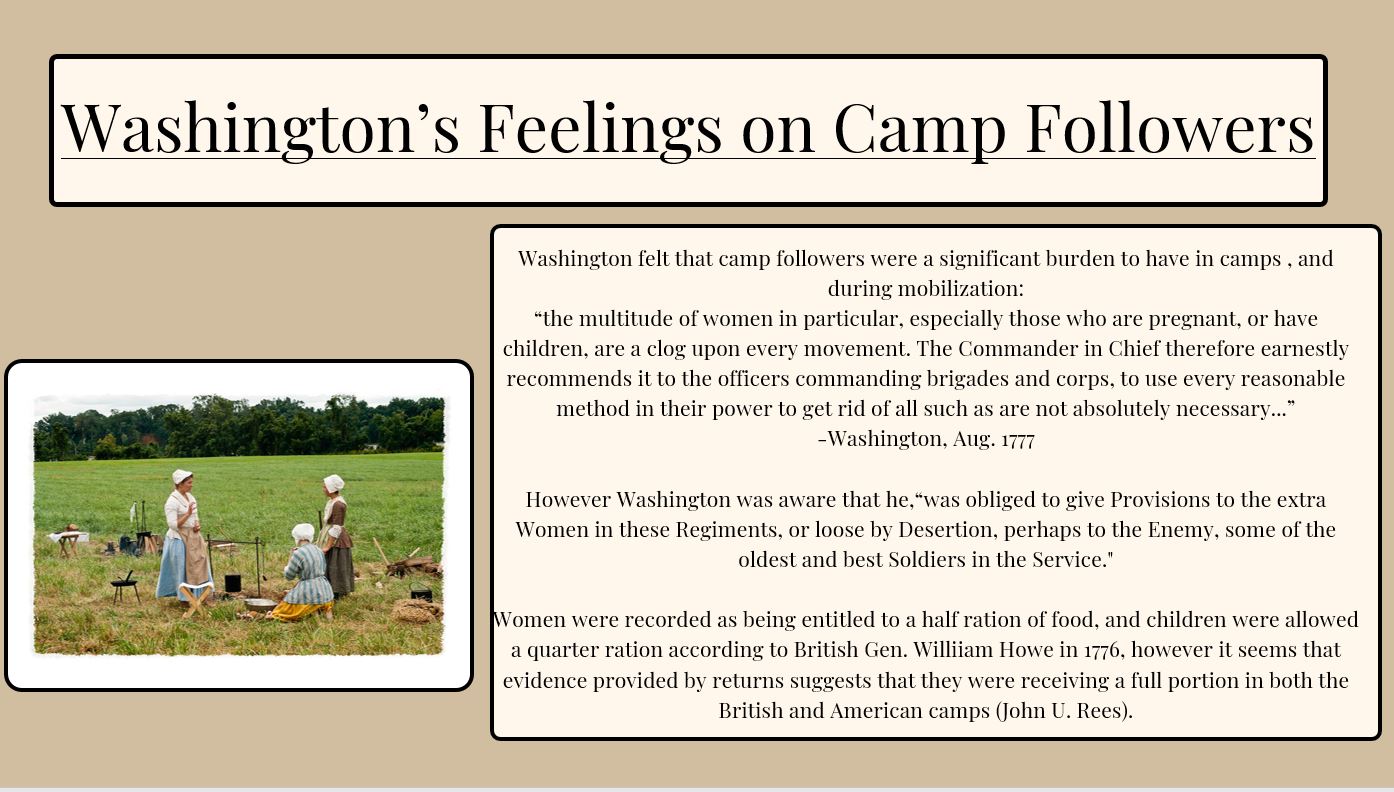
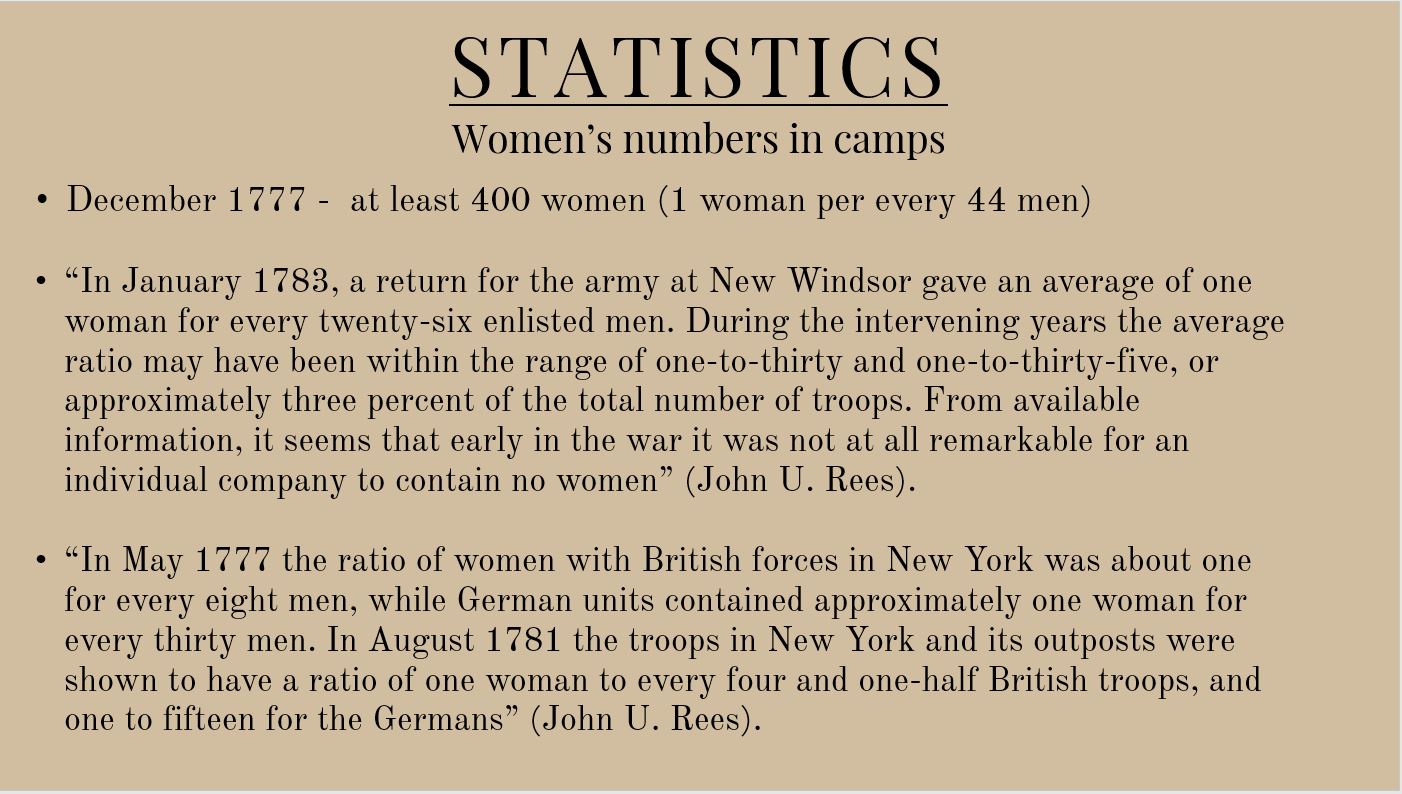
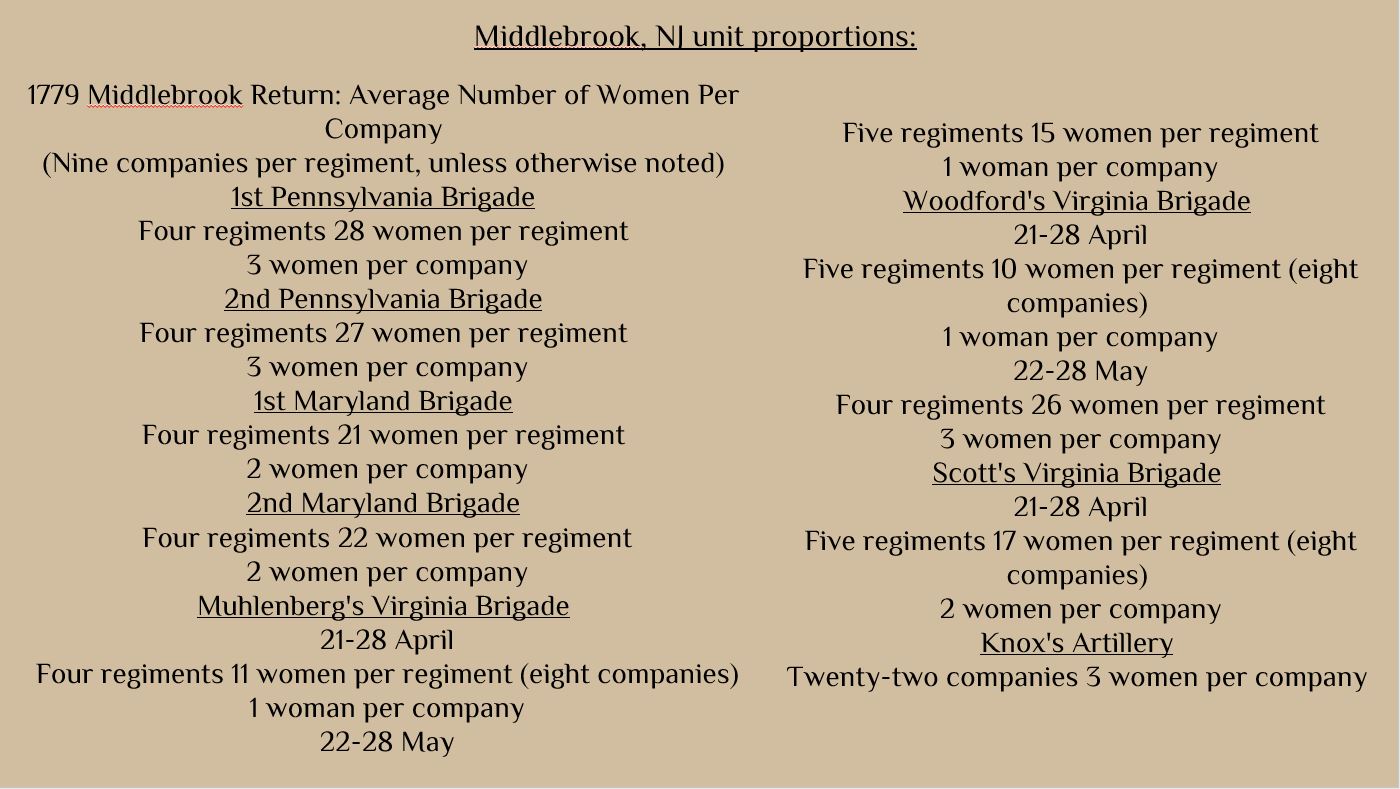
George Washington’s army included a large camp following who performed many indispensable functions. The camp followers were mostly the wives, children and female relatives of soldiers . But some commentators have chosen to characterize these camp followers as criminals and women of ill repute.
Women tavern keepers existed at the time of the revolution. In fact, a provision of the later rules governing taverns specifically mentions “his or her” in the requirements. Historians have said that up to 40% of taverns in some areas were operated by women.

Joshua Huddy married a widowed tavern owner in Monmouth County, Catherine Applegate Hart. Her family and friends of her deceased husband required Huddy to post a bond to protect the widow and her children in the event that Huddy might ill treat his wife since her property including the tavern were now owned by Huddy.
The July 2, 1776 constitution of New Jersey defined the right to vote for anyone (regardless of gender, race or religion) who owned property worth at least 50£. This provision actually only applied to widows or unmarried women because until the 1830s married women could not own property. This ground breaking provisions was outlawed in 1807 when suffrage was limited to white males.
Documentary evidence can appear to be meager for the women of what is now Ocean County.
We know that for the roughly a third of our population that belonged to the Friends (Quakers) the role of women was much more equitable. Quaker daughters were encouraged to be educated. Quaker women were expected to participate in weekly meetings. In Little Egg Harbor, a retractable wooden wall divided the meeting house into a separate rooms for men and women. This arrangement is often seen as a indication of the respect women earned in the Quaker tradition.
But written records do exist for at least a few women of Ocean County during the American Revolution.
Headstones in Ocean County cemeteries tell an interesting story. Some have said that women do not exist on the headstones of eighteenth and nineteenth century cemeteries unless the women are defined in relationship to men such as mother, wife, sister or daughter.
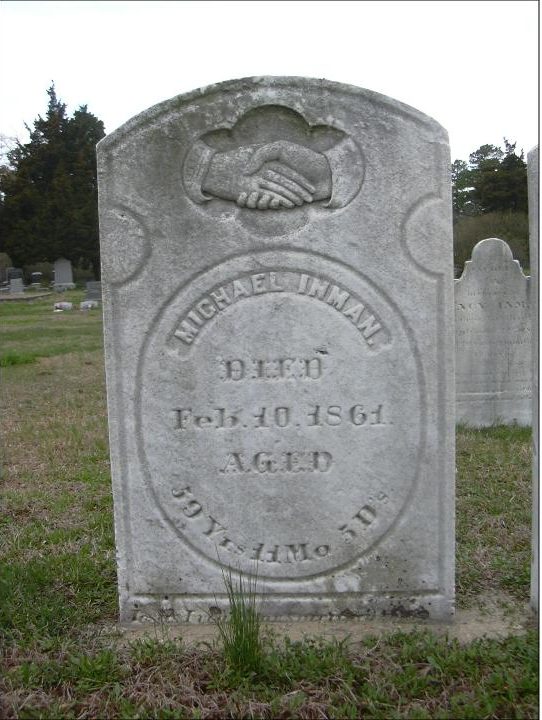
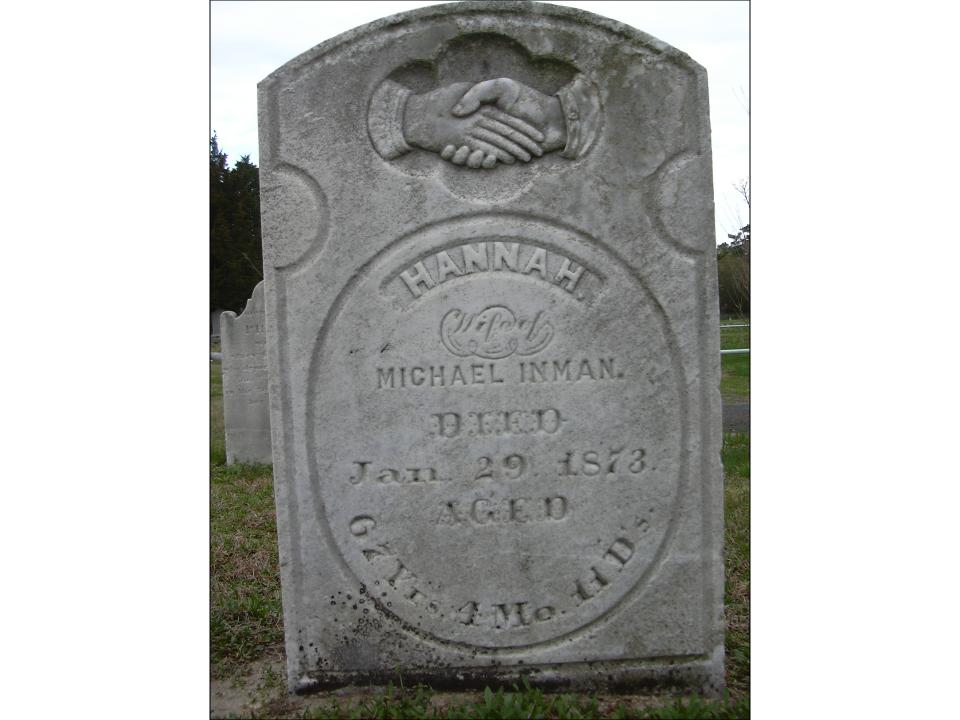
Pension records of patriots are mostly filed after the revised pension laws of 1832 or 1835. These records were sometimes filed by widows. And because so many women died in child birth at the time, some of these widows may be second or even third wives, some not even born before the end of the American Revolution. These widows needed to rely on sworn statements of men who served with their husbands.
Read about the widows of the Toms River Block House https://www.co.ocean.nj.us/WebContentFiles/90128bb9-9012-4841-b37a-571ac04e48aa.pdf
Several stories illustrate a curious role of wives during the American Revolution. In the first, Joseph Soper was said to have hidden in the swamps, while his wife, other women and small children were left to face John Bacon at the family boat works at Soper’s Landing near Lochiel Brook along Barnegat Bay. In the other case, John Bacon was in the process of robbing John Holmes of Forked River when Holmes’ wife took some of her own money from her pocket to give to the attackers to get Bacon and company to leave.
The wife of Reuben Randolph saved her husband by hiding him in a barrel of feathers when the Randolph Farmstead was surrounded by Bacon and his Loyalist.
Perhaps the most bizarre tale of female heroism is the story of the sister of Loyalist William “Bill” Giberson. Both Giberson siblings demonstrated advanced physical prowess and bore a sticking physical resemblance. Bill was said to be able leap over a freight wagon with a hop, skip and jump. His sister is said to be able to mount a hogshead from a standing position. Bill was housed in the Burlington County jail waiting to be hanged. Like a page from “A Tale of Two Cities,” the sister changed clothing with her brother when she visited him at the jail and he walked out as a free man. The sister was released because they would not hang a women.
The wife of Loyalist John Bacon provides another enigmatic tale. The stories are that her father lived in Barnegat and participated in the illicit trade with the British. She lived near what is now Pemberton in Burlington County. She had two sons, Jesse and Edward. After the death of John Bacon, she is said to have married a decent man by the name of Morris who moves west and her sons become fine men of character. And yet, the traditions do not bother to mention her first or maiden names. A number of testimonials were made to attest to the fine character of Bacon’s wife.
Tellingly, the first names of these wives and sister have not been remembered when the stories are told.
The name of some women can be discovered through pension records. Zipporah Crane, widow of Silas Crane married on October 2, 1785 was awarded 1/2 pay on February 2, 1848. Ann Pangborn (Pangburn) received a pension for her husband killed at the skirmish at Manahawkin.
Another curious slight by future historians to independent women of Ocean County includes the stories of women of ill repute associating with renegade and loyalist irregular troops. Loyalist Richard Byrd was killed in an incident in what is now Bayville. The patriots claim that he was found sitting on the lap of one such women at the time of his death. The Patriots further claim that the women striped the corpse of all valuables, proving just how low her moral standing. But in a world without a government safety net or life insurance, can she be blamed for protecting her financial interests? Did she have a family that depended on her?
Similar tales of women of low moral standing are associated with the death of the loyalist Fagan brothers in northern Monmouth County.
One, but not all, folk tales of the death of John Bacon at Rose’s tavern in what is now Parkertown include such a women on Bacon’s lap at the time of his death on April 3, 1783. One can wonder if this is simply a case of an appropriation to make the story more colorful or is this another proof by association of the guilt of these despised loyalists.
The mother of the Cuffee (Cuffy) brothers of Manahawkin is another interesting story. She was Lenape and her husband was a free person of African-American descent. Families formed from mutually marginalized groups such as African Americans and Lenape.
Women’s Suffrage and elected service in what is now Ocean County.
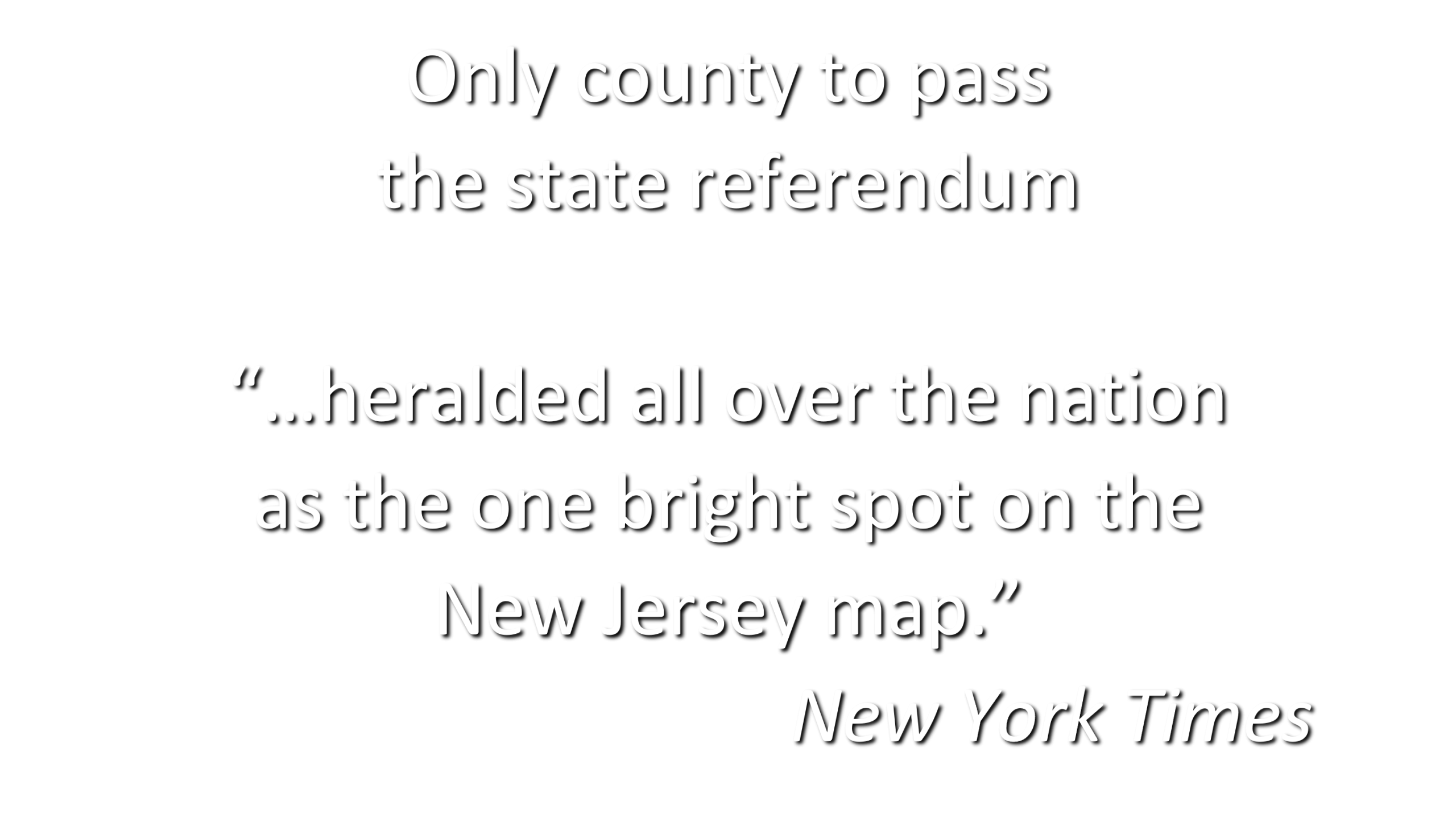
Women’s suffrage was a Republican Party goal in the early twentieth century. In April of 1915, New Jersey held a referendum on women’s suffrage. Ocean County is the only one of the New Jersey 21 counties to vote in favor of the measure. The New York times claims that Ocean County is the one “white spot” in New Jersey. An apocryphal story holds that an Ocean County man wrote a letter to the New York Times apologizing for voting for suffrage because his wife made him do it.
Alice Paul a Quaker of Moorestown is among the most effective leaders of the fight for Women’s rights.
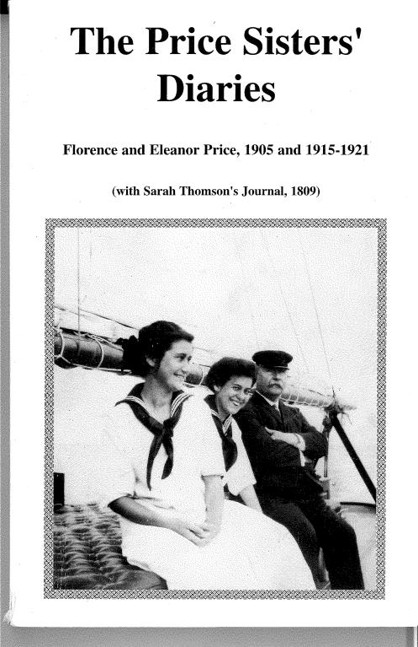 We highly recommend that you read a collection of diaries published by the Tuckerton Historical Society under the title, The Price Sisters Diaries. These deeply personal writings open up a window to the roles, aspirations and challenges of young women in early twentieth century Ocean County.
Lila W. Thompson of New Egypt was the first elected member of the New Jersey Assembly from Ocean County and the first women to be elected to represent an entire New Jersey county. Based on the 1844 constitution, the entire New Jersey Assembly was elected every year at this time. The nineteenth amendment to the US Constitution was ratified in August of 1920. Lila W. Thompson was first elected against the endorsement of Ocean County political boss Captain Thomas A. Mathis in 1923 and again in 1924. She unsuccessfully attempted to become the Ocean County member of the New Jersey Senate in 1925. Lila W. Thompson was a fearless opponent of prejudice and hate. Route 9 from Lakewood to Manalapan is officially the Lila W. Thompson highway.
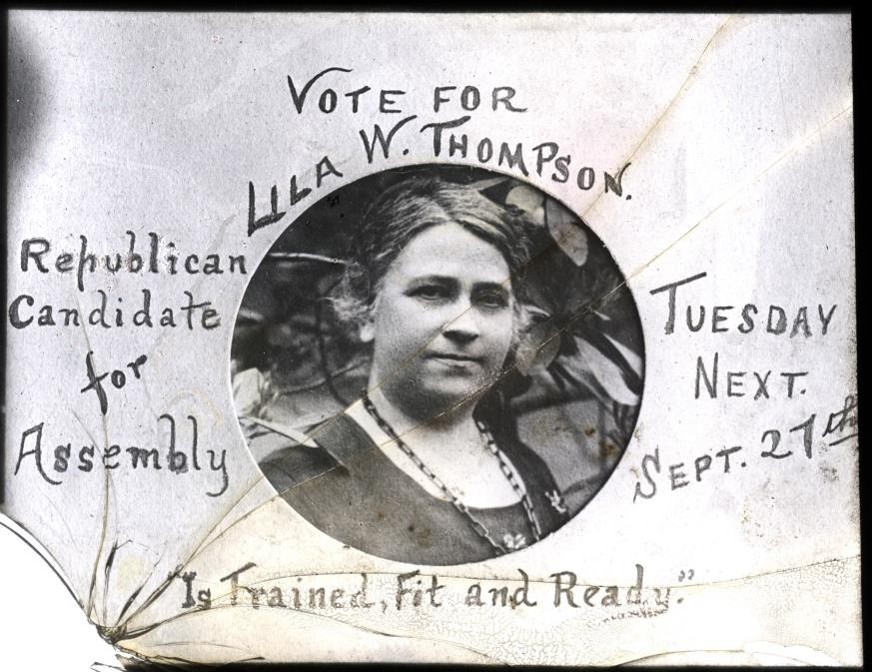
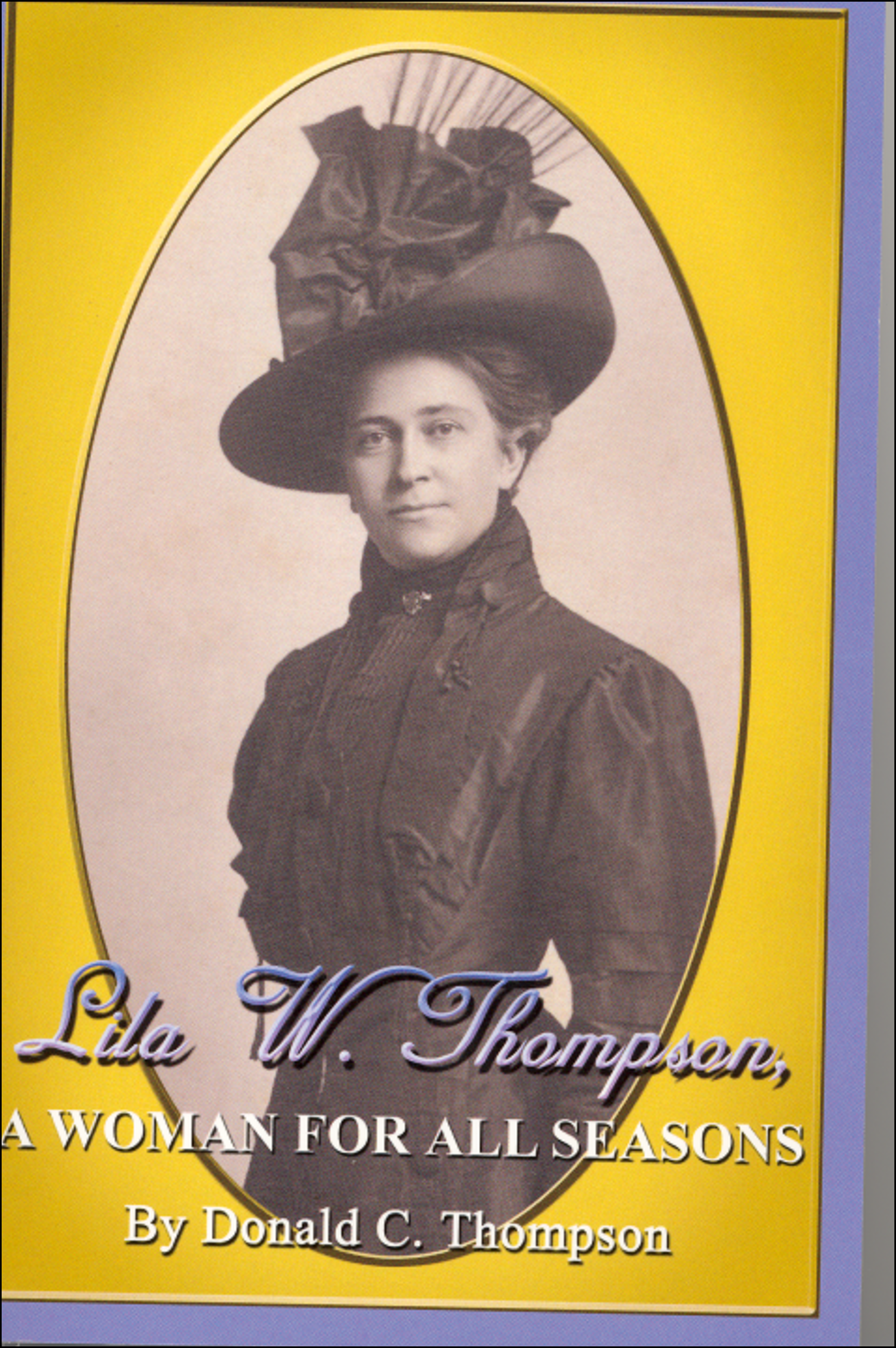
Other women to represent Ocean County in the New Jersey Assembly were Lettie E. Savage (1940-1959), Hazel F. Gluck (1979-1981), Virginia E. Haines (1991-1994), Marlene Lynch Ford (1983-1985, 1989-1991) and DiAnne Gove (2009-2024).
Women have also served on the Ocean County Board of Commissioners (Freeholders): Hazel F. Gluck, Virginia E. Haines, Barbara Jo Crea and Jennifier Bacchione.
The Elizabeth Scalthorp Force House (the Ocean County Historical Society building) is listed on the New Jersey Women’s Heritage Trail. The Mary Etta Cox house in Barnegat has been nominated to also be on the New Jersey Women Heritage Trail.